



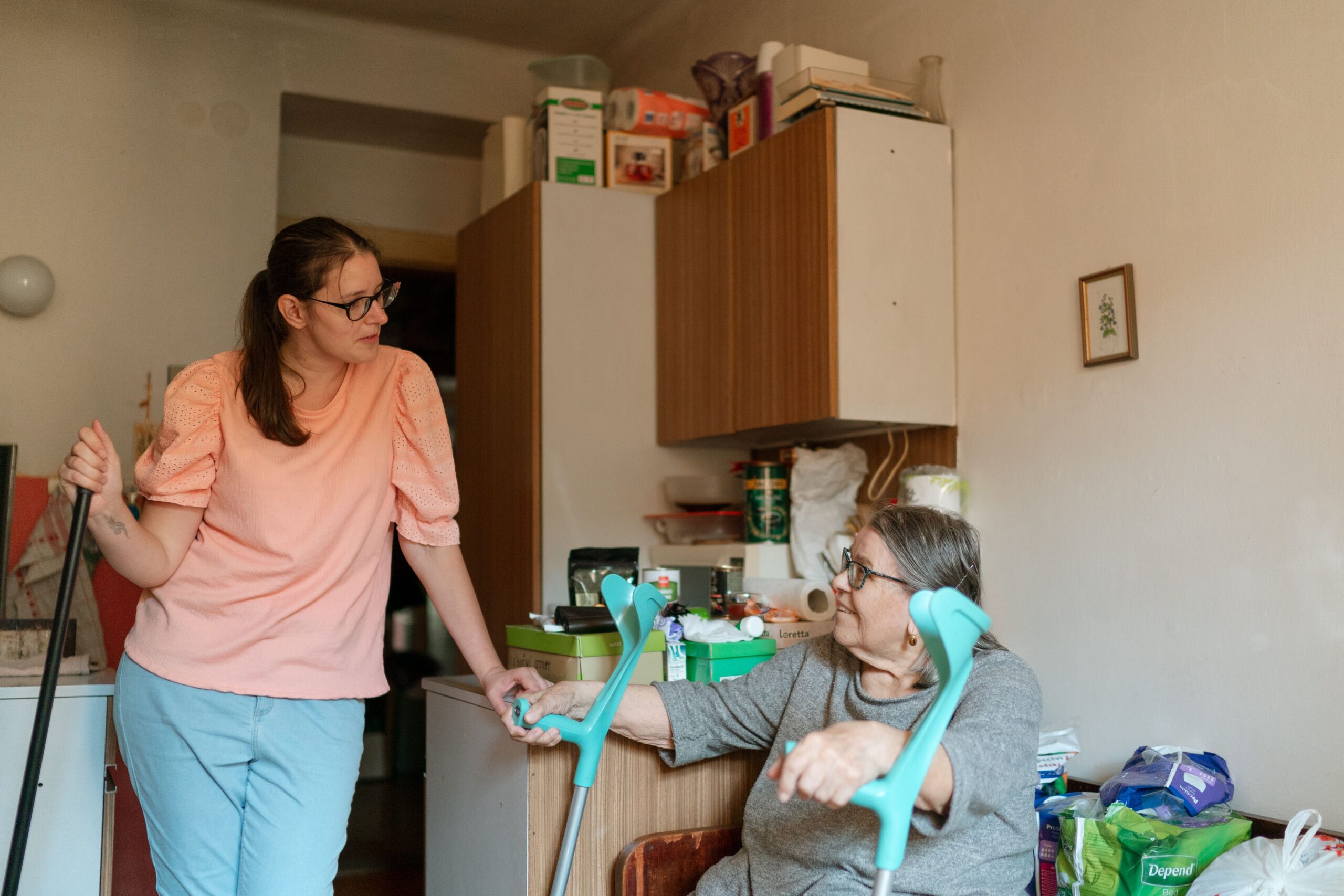
Yes, in most live-in caregiving arrangements, a caregiver should have their own private, comfortable sleeping space in the home. A live-in caregiver needs somewhere they can sleep, rest, store personal belongings, and have reasonable privacy when they are not actively providing care.
For families considering live-in care for an aging parent or loved one, understanding the caregiver’s living arrangements is an important part of creating a successful home-care setup. A private room can help establish healthy boundaries, support caregiver well-being, and make the arrangement more comfortable for everyone.
But what exactly counts as a suitable room? Does it need to have a private bathroom? Can a caregiver share a bedroom with the person they care for? And what should families consider before welcoming a live-in caregiver into their home?
Let’s take a closer look.
What Is a Live-In Caregiver?
A live-in caregiver is a professional or care worker who stays in the client’s home as part of their caregiving arrangement.
Depending on the senior’s needs, a live-in caregiver may assist with tasks such as:
- Personal care and hygiene
- Dressing and grooming
- Meal preparation
- Light housekeeping
- Medication reminders
- Mobility assistance
- Companionship
- Transportation or errands
- Assistance with daily routines
- Overnight support, depending on the arrangement
Live-in care can be particularly helpful for seniors who want to remain in the familiar surroundings of their own homes rather than move to a residential care facility.
However, living in the home does not mean the caregiver should be considered “on duty” 24 hours a day. Families and caregivers should establish clear expectations about schedules, rest periods, responsibilities, and privacy before the arrangement begins.
Does a Live-In Caregiver Need Their Own Room?
In general, yes—a private bedroom is the best arrangement for a live-in caregiver.
A caregiver’s room should provide a reasonable level of privacy and be suitable for sleeping and personal use. Ideally, it should be a separate bedroom rather than a common living area, dining room, or other space that the family regularly uses.
Providing a private room can benefit both the caregiver and the senior.
Why a Private Room Matters
Caregiving can be physically and emotionally demanding. Having a private room gives the caregiver a place to:
- Sleep without unnecessary interruptions
- Change clothes and get ready privately
- Keep personal belongings secure
- Make private phone calls
- Relax during scheduled off-duty time
- Maintain a sense of personal space
This privacy can contribute to a healthier relationship between the caregiver and the family.
For seniors, it can also help preserve a sense of independence and normalcy. Instead of feeling as though another person is occupying every part of their home, both parties have clearly defined personal spaces.
Can a Live-In Caregiver Share a Room With the Senior?
Generally, a caregiver should not be expected to share the senior’s bedroom simply because they are providing live-in care.
There may be unusual circumstances where a caregiver and senior voluntarily agree to a different arrangement, particularly in homes with limited space. However, families should carefully consider privacy, sleeping arrangements, caregiver rest, and applicable employment or housing requirements before making that decision.
A separate bedroom is usually the more practical arrangement.
If the senior requires frequent overnight assistance, families should also distinguish between live-in care and a caregiver who is expected to provide continuous overnight awake care. Those arrangements can have different staffing and compensation considerations.
What Should a Live-In Caregiver’s Room Include?
The room does not necessarily need to be luxurious. It should, however, be safe, clean, comfortable, and suitable for sleeping and personal use.
A practical caregiver bedroom may include:
- A comfortable bed
- Appropriate bedding
- Adequate lighting
- A dresser or closet
- Space for personal belongings
- Heating or air conditioning as appropriate
- A window or suitable ventilation
- Reasonable access to a bathroom
- A safe path to and from the room
Families should also consider whether the caregiver has convenient access to common areas such as the kitchen and living room.
Does the Caregiver Need a Private Bathroom?
A private bathroom is helpful but is not necessarily required in every live-in arrangement.
If the caregiver has their own bathroom, it can provide an additional level of privacy. However, many households may not have enough space for an additional private bathroom.
If the caregiver shares a bathroom with other household members, families should establish reasonable expectations about bathroom access, cleanliness, and privacy.
The key is creating an arrangement that is comfortable and respectful for everyone.
What About Overnight Care?
One of the biggest sources of confusion is the difference between living in the home and working around the clock.
A live-in caregiver needs adequate time to sleep and take scheduled breaks. If a senior frequently wakes during the night and requires hands-on assistance, the family may need to discuss whether additional overnight coverage is appropriate.
For example, a senior with occasional nighttime needs may have a different care arrangement from someone who requires frequent transfers, toileting assistance, or monitoring throughout the night.
Before starting live-in care, families should discuss:
- Expected working hours
- Sleeping arrangements
- Overnight responsibilities
- Breaks and meal periods
- Days off
- Emergency expectations
- Which tasks are included in the caregiver’s responsibilities
Clear expectations can prevent misunderstandings later.
Why Privacy Benefits Both the Caregiver and Senior
A live-in caregiver becomes part of the household environment, but they are still entitled to personal boundaries.
Likewise, seniors deserve to feel that their home remains their home.
A private caregiver room creates a natural boundary between work and personal space.
For caregivers, that boundary can make it easier to relax and recharge. For seniors and their families, it can help maintain appropriate expectations around when the caregiver is working and when they are off duty.
This distinction is especially important in long-term arrangements.
What Should Families Consider Before Hiring a Live-In Caregiver?
Before bringing a caregiver into the home, families should evaluate the practical aspects of the arrangement—not just the caregiver’s qualifications.
Consider the following questions:
1. Is There a Suitable Private Bedroom?
Identify exactly where the caregiver will sleep. Make sure the room is safe, comfortable, and reasonably private.
2. Is the Home Appropriate for Live-In Care?
Consider accessibility, bathroom availability, stairs, safety hazards, and the caregiver’s ability to move comfortably around the home.
3. What Are the Senior’s Care Needs?
Think about the level of assistance required during the day and at night.
4. What Are the Caregiver’s Responsibilities?
Create a clear understanding of caregiving duties, household tasks, schedules, and expectations.
5. How Will Time Off Work?
Live-in caregivers still need appropriate time away from caregiving responsibilities. Families should discuss regular days off and periods when the caregiver is not working.
6. Are the Employment Arrangements Clear?
Families should understand applicable federal, state, and local requirements governing wages, working hours, rest periods, and other employment matters.
Because requirements can vary depending on the circumstances and location, families should obtain appropriate professional guidance when needed.
How Can Families Make a Live-In Caregiver Feel Comfortable?
Welcoming a caregiver into the home works best when the relationship is based on respect, communication, and clear boundaries.
Families can make the transition easier by:
- Providing a clean and comfortable private room
- Explaining household routines
- Introducing the caregiver to important family members
- Discussing expectations before the first day
- Respecting the caregiver’s personal time
- Providing clear information about the senior’s needs
- Establishing communication preferences
- Addressing concerns early rather than allowing them to build up
A successful live-in care arrangement should feel organized and respectful rather than uncertain or intrusive.
Is Live-In Care Right for Your Family?
A live-in caregiver can be a valuable option for seniors who want to remain at home while receiving assistance with daily activities.
However, the right care arrangement depends on the senior’s health and mobility needs, the home environment, family availability, and the level of assistance required.
Families should consider whether they need:
- Part-time home care
- Full-time caregiving
- Live-in care
- Overnight care
- Respite care
- Companion care
- Personal care assistance
Speaking with an experienced home-care provider can help families understand which option may be appropriate.
Frequently Asked Questions
Does a live-in caregiver need their own bedroom?
In most cases, providing a private bedroom is the preferred arrangement for a live-in caregiver. It gives the caregiver a place to sleep, keep belongings, and have personal privacy when they are off duty.
Does a live-in caregiver need a private bathroom?
Not necessarily. A private bathroom can provide additional privacy and convenience, but a shared bathroom may be workable depending on the home and household arrangement.
Can a live-in caregiver sleep in the same room as a senior?
A separate bedroom is generally preferable. Sharing a bedroom can create privacy and boundary concerns and may not be appropriate for the caregiver or senior.
Is a live-in caregiver available 24 hours a day?
Not necessarily. Live-in does not automatically mean 24-hour active care. Families should clarify the caregiver’s working schedule, rest periods, overnight responsibilities, and days off before the arrangement begins.
What should be in a live-in caregiver’s room?
A caregiver’s room should generally be clean, safe, comfortable, and suitable for sleeping. A bed, storage space, lighting, ventilation, and reasonable access to bathroom facilities are important considerations.
Can a family ask a live-in caregiver to do household chores?
That depends on the agreed-upon job responsibilities and applicable employment requirements. Families should clearly define caregiving and household duties before employment begins rather than making assumptions.
Conclusion: A Private Room Is an Important Part of Live-In Care
So, does a live-in caregiver need their own room? In most situations, providing a private bedroom is the most respectful and practical approach.
A suitable private space gives the caregiver an opportunity to sleep, recharge, and maintain personal boundaries while living in the senior’s home. At the same time, it helps seniors and their families preserve a comfortable sense of privacy and independence.
If you’re considering live-in care for yourself, a parent, or another loved one, the best place to start is with a conversation about the senior’s needs, the home environment, and the type of care that will provide the greatest comfort and support.
Ready to Explore Care Options?
If your family is considering in-home or live-in caregiving, SOLENVIA Caregivers can help you explore your options and determine what type of support may be right for your loved one.
Schedule a Complimentary Meet & Greet With SOLENVIA Caregivers to discuss your family’s needs and learn more about available care solutions.