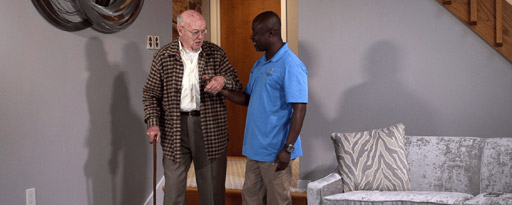




Knowing when to hire a caregiver for an elderly parent isn’t always easy. Many families wait until a serious accident, medical emergency, or major decline makes the decision unavoidable.
But caregiving support doesn’t have to begin only after a crisis.
Small changes in an older parent’s daily routine—such as missed medications, difficulty preparing meals, frequent falls, or trouble keeping up with household tasks—can indicate that additional help may be beneficial.
Recognizing these warning signs early can help families create a safer, more manageable care plan while allowing their loved one to maintain as much independence as possible.
Here are 12 signs it may be time to hire a caregiver for an elderly parent.
1. Your Parent Is Struggling With Personal Care
Difficulty with bathing, dressing, grooming, or using the bathroom can be one of the clearest signs that an older adult needs assistance.
You may notice that your parent:
- Wears the same clothes repeatedly
- Avoids bathing
- Has difficulty getting dressed
- Struggles to manage grooming
- Needs help getting in or out of the shower
Personal care challenges can increase the risk of falls and other safety problems.
A caregiver can provide appropriate assistance while helping your parent maintain dignity and independence.
2. Your Parent Is Frequently Falling
Falls are a major concern for older adults.
If your parent has fallen recently—or you notice they’re increasingly unsteady on their feet—it may be time to reassess whether they can safely manage alone.
Warning signs can include holding onto furniture while walking, difficulty climbing stairs, or avoiding activities because of fear of falling.
A caregiver may provide mobility assistance and supervision during daily activities.
If falls are occurring frequently, speak with your parent’s healthcare professional to determine whether there is an underlying medical or mobility issue.
3. Medications Are Being Missed or Taken Incorrectly
Managing multiple medications can become complicated.
You might notice:
- Missed doses
- Duplicate doses
- Unopened medication bottles
- Confusion about medication schedules
- Frequently missed prescription refills
Medication mistakes can have serious consequences.
Depending on the care arrangement, caregivers may provide medication reminders, while medication management itself may require qualified healthcare professionals.
If you’re seeing repeated medication-related problems, don’t ignore them.
4. Your Parent Is Losing Weight or Skipping Meals
Changes in eating habits can be an early sign that an older adult needs additional support.
Your parent may have difficulty shopping for groceries, preparing meals, opening containers, or remembering to eat.
Look for an increasingly empty refrigerator, spoiled food, skipped meals, or unexplained weight changes.
A caregiver can help with grocery shopping, meal preparation, and establishing a consistent daily routine.
Significant or unexplained weight loss should also be discussed with your parent’s healthcare provider.
5. The House Is Becoming Difficult to Manage
A previously tidy home that has become unusually cluttered or dirty can indicate that everyday tasks are becoming difficult.
You may notice:
- Unwashed dishes
- Laundry piling up
- Spoiled food
- Excessive clutter
- Unpaid household tasks
- Bathrooms or kitchens that aren’t being cleaned
Your parent may simply need help with housekeeping and daily chores rather than intensive care.
In-home support can provide assistance while allowing them to remain in familiar surroundings.
6. Your Parent Is Becoming More Isolated
Social isolation can happen gradually.
Perhaps your parent has stopped attending social activities, rarely leaves the house, or no longer interacts with friends and neighbors.
Sometimes transportation difficulties or mobility limitations are the reason.
A caregiver can provide companionship and, depending on the care plan, help your parent participate in errands, appointments, hobbies, or other activities.
Companionship isn’t just about conversation—it can help maintain a sense of routine and connection.
7. Your Parent Is Having Trouble Driving Safely
Driving difficulties can be difficult for families to discuss because driving represents independence.
Warning signs may include:
- New dents or scratches on the vehicle
- Getting lost in familiar areas
- Missing appointments
- Difficulty judging distances
- Increased near-misses
- Confusion while driving
If driving is becoming unsafe, transportation assistance may become an important part of a home-care plan.
A caregiver may be able to assist with transportation to appointments, shopping, or other necessary activities, depending on the services provided.
8. Your Parent Is Forgetting Important Tasks
Occasional forgetfulness is common, but repeated problems with everyday responsibilities deserve attention.
Examples include forgetting appointments, leaving appliances running, repeatedly missing bills, or forgetting important household tasks.
These signs don’t necessarily mean your parent needs a caregiver immediately, but they should not be ignored.
If memory problems are new, worsening, or affecting safety, encourage your parent to discuss them with a healthcare professional.
9. You Are Becoming Your Parent’s Full-Time Caregiver
Sometimes the biggest warning sign isn’t something your parent does—it’s what is happening to you.
If you’re constantly:
- Missing work
- Cancelling personal plans
- Driving back and forth every day
- Managing medications
- Preparing every meal
- Handling household tasks
- Feeling exhausted or overwhelmed
you may be taking on more caregiving responsibilities than you can sustainably manage.
Hiring professional help can provide family caregivers with much-needed support and respite.
Caregiving shouldn’t require one family member to sacrifice their health, career, or entire personal life.
10. Your Parent Has Recently Been Hospitalized
A hospitalization can change an older adult’s care needs.
After returning home, your parent may temporarily—or permanently—need help with mobility, meals, bathing, transportation, or other daily activities.
Before discharge, ask the healthcare team what assistance will be required at home and whether additional services are recommended.
A temporary increase in home care may help your parent safely transition back home.
11. Your Parent Can No Longer Safely Live Alone
Sometimes several smaller warning signs combine into a larger concern.
Your parent may be experiencing:
- Frequent falls
- Medication mistakes
- Poor nutrition
- Household safety problems
- Increasing confusion
- Difficulty with personal care
When these issues occur together, living alone may no longer be safe without additional support.
A professional care assessment can help your family determine what level of assistance is appropriate.
12. Your Family Is Constantly Worried About Their Safety
Sometimes you simply know that something has changed.
Family members may begin checking in multiple times a day, worrying about whether their parent has eaten, wondering whether medications were taken, or feeling anxious whenever they don’t answer the phone.
Constant worry doesn’t automatically mean your parent needs a caregiver, but it can be a sign that the current arrangement isn’t working well.
Instead of waiting for an emergency, consider discussing what additional support could look like.
When Should You Actually Hire a Caregiver?
You don’t necessarily need to wait until your parent has all 12 warning signs.
Even one significant safety concern may justify exploring professional support.
For example, if your parent has fallen twice recently or is repeatedly forgetting essential medications, it’s reasonable to investigate care options now.
The amount of care can also vary.
Your parent may initially need only a few hours of assistance each week. As needs change, the schedule can potentially be adjusted.
How Do You Talk to Your Parent About Hiring a Caregiver?
Even when you recognize the warning signs, your parent may not want help.
They may worry about losing independence, privacy, or control over their daily routine.
Rather than telling them what they “have to do,” involve them in the conversation.
Discuss specific concerns and ask what type of assistance would make their life easier.
For practical advice, read How to Talk to an Aging Parent About Home Care Without Causing Conflict.
Starting with limited assistance may also make the transition feel less overwhelming.
Should You Hire an Agency or an Independent Caregiver?
Once your family decides that additional help is needed, you’ll need to determine how to arrange care.
Some families work with a home-care agency, while others hire an independent caregiver directly.
An agency may handle responsibilities such as caregiver screening, scheduling, supervision, and finding replacement coverage. Hiring independently may offer more direct control but can also place additional responsibilities on the family.
Before making a decision, compare the responsibilities, costs, and support involved.
Read Agency vs. Independent Caregiver: What Connecticut Families Need to Know Before Hiring for a detailed comparison.
Final Thoughts
Knowing when to hire a caregiver for an elderly parent often comes down to recognizing changes before they become emergencies.
Difficulty with personal care, falls, medication mistakes, poor nutrition, isolation, driving problems, household decline, and caregiver burnout are all reasons to consider additional support.
The goal isn’t to take away your parent’s independence. It’s to provide the right amount of assistance so they can remain safe, comfortable, and involved in their own daily life for as long as possible.
If your family is considering home care in Connecticut, Solenvia Caregivers can help you explore care options based on your loved one’s individual needs.
Contact Solenvia Caregivers to learn more about home-care support.
Frequently Asked Questions
When should an elderly parent get a caregiver?
Consider hiring a caregiver when your parent is struggling with daily activities, personal care, medications, meals, mobility, household tasks, or safely living alone. You don’t need to wait for a crisis.
How do I know if my parent needs help at home?
Look for changes such as frequent falls, missed medications, poor nutrition, declining hygiene, increased isolation, household problems, or difficulty managing normal daily activities.
Should I hire a caregiver after my parent leaves the hospital?
It may be appropriate if your parent needs assistance with mobility, meals, personal care, transportation, or other daily activities after hospitalization. Ask the healthcare team what support is recommended.
How many hours of home care does an elderly person need?
It depends on the person’s individual needs. Some seniors may need only a few hours per week, while others may require daily or extended-hour assistance.
How can I convince my elderly parent to accept a caregiver?
Focus on specific concerns rather than telling your parent they can no longer care for themselves. Listen to their concerns and involve them in deciding what type of help they would feel comfortable accepting.